What is Bruxism? Teeth Grinding Symptoms & How to Stop It
Grinding or clenching your teeth—whether consciously during the day (awake bruxism) or subconsciously while sleeping (sleep bruxism)—is a medical condition known as bruxism. This involuntary teeth grinding serves no functional purpose (like chewing food) and can exert hundreds of pounds of pressure on your jaw. Bruxism typically progresses through three stages:
Mild: Occasional clenching with minimal dental wear.
Moderate: Regular grinding that begins to alter tooth shape.
Severe: Chronic grinding resulting in advanced enamel erosion and severe pain.
Strikingly, dental research shows that approximately 92% of patients are completely unaware that they have bruxism. Because the majority of people grind their teeth in their sleep, it is often called night grinding. Frequently, a sleeping partner or spouse is the only one who hears the audible grinding sounds, though in many cases, it goes completely unnoticed by everyone in the household.
How Do You Know If You Have Bruxism?
Since it often happens while you sleep, you might have to look for secondary signs. You may be suffering from bruxism if you experience any of the following:
Morning discomfort: Waking up with jaw tenderness or unexplained, dull headaches.
Frequent dental damage: Your fillings, crowns, or dental caps break or chip repeatedly.
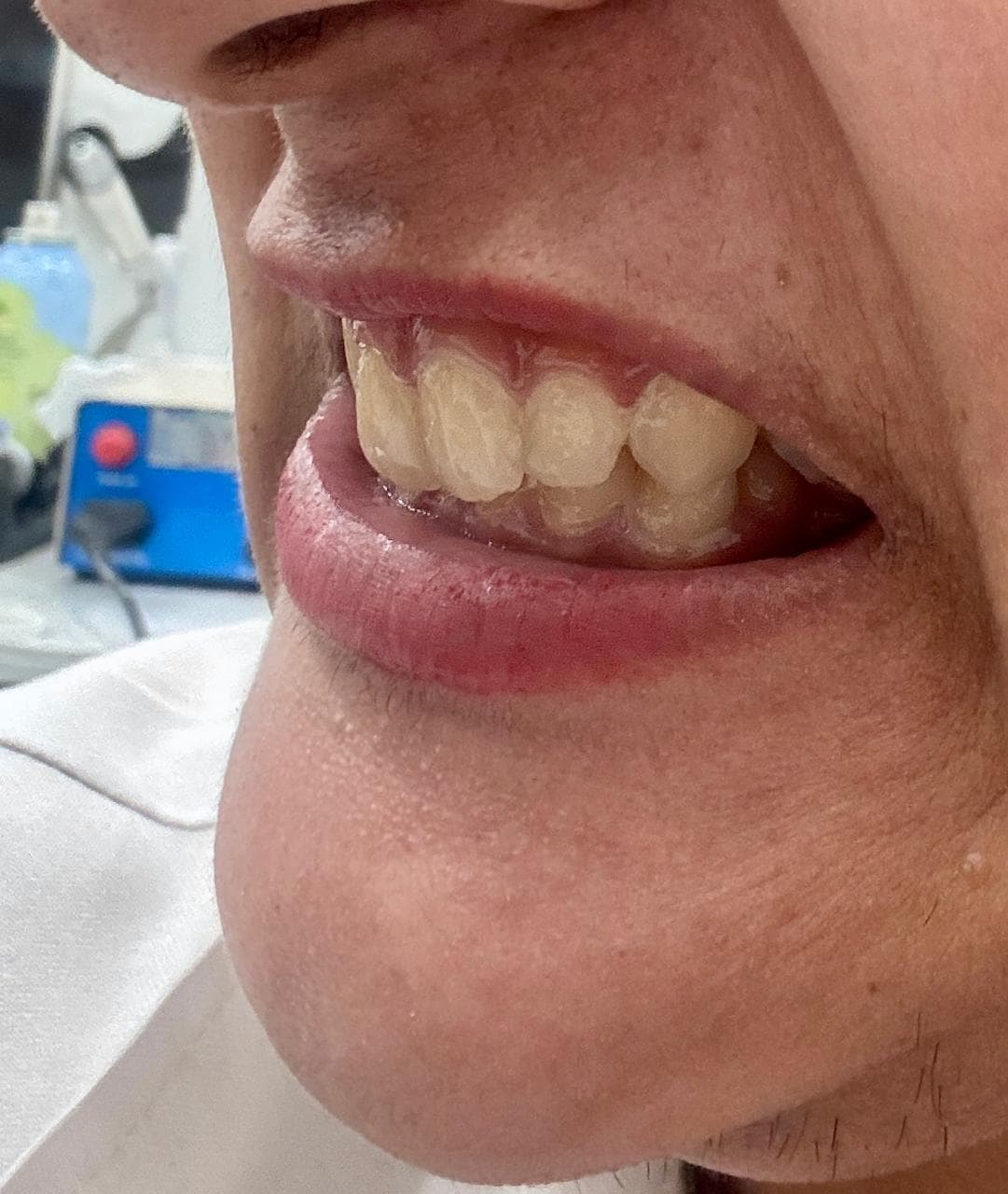
Worn front teeth: Your anterior (front) teeth look visibly short, worn, or flat.
Flattened back teeth: Your posterior (back) teeth have lost their natural cusps and contours, appearing completely flat.
Tooth sensitivity: Severe cases of bruxism often wear down enamel, leading to temperature sensitivity.
The 8% Rule: Only about 8% of people with bruxism actually realize they have it before a professional diagnosis.
If you suspect you might be clenching or grinding your teeth, it is always best to visit your dentist. They can evaluate the wear patterns on your teeth and recommend a protective nightguard before long-term damage occurs. You can also start practicing yoga and meditative practices to decrease mental and physical stresses.

Written by
Dr. Sristi Sruti
Dental Specialist at D&S Toothfairy Clinic. Dedicated to providing advanced aesthetic and clinical excellence in modern dentistry.
Book Appointment
Interested in treatments discussed in this article? Leave your details and we'll call you right back.
Recent Articles

What Is Inside Your Toothpaste? Toothfairy Explains Toothpaste Ingredients
By Dr. Sristi Sruti
Why Do Teeth Lose Their White Colour?
By Dr. Sristi Sruti

What Is a Cavity? Causes, Symptoms, and How Tooth Decay Develops
By Dr. Sristi Sruti
What Does an Orthodontist Do? A Complete Guide to Smiles & Jaw Care
By Dr. Kanchan Sharma
Why Are Cavities Increasing Nowadays? The Shift from Ancient to Modern Diets
By Dr. Sristi Sruti
Related Articles
What Is Inside Your Toothpaste? Toothfairy Explains Toothpaste Ingredients
What Is Inside Your Toothpaste? Toothfairy explains Toothpaste Ingredients Have you ever stood in t...
Why Do Teeth Lose Their White Colour?
Have you ever wondered why your teeth lose their natural white colour and gradually become yellow, b...
What Is a Cavity? Causes, Symptoms, and How Tooth Decay Develops
What Is a Cavity? Causes, Symptoms, and How Tooth Decay Develops Cavity or dental caries is the irr...