What Causes Bruxism? Psychological & Physical Triggers
What Causes Bruxism? Psychological & Physical Triggers
If you find yourself waking up with a sore jaw, you are likely wondering: Why do I grind my teeth in the first place? Bruxism is a complex condition, meaning it rarely has just one single origin. Instead, it is usually triggered by a combination of psychological, physical, and anatomical factors.
The two most frequent culprits behind teeth grinding include:
- Chronic Stress and Anxiety
Mental health is directly tied to jaw tension. Stress and anxiety are the most common psychological causes of bruxism. When you experience high levels of stress during the day, your body holds onto that tension at night. Your nervous system stays hyperactive during sleep, which can manifest as subconscious teeth clenching and aggressive night grinding.
- Jaw Size and Misaligned Wisdom Teeth
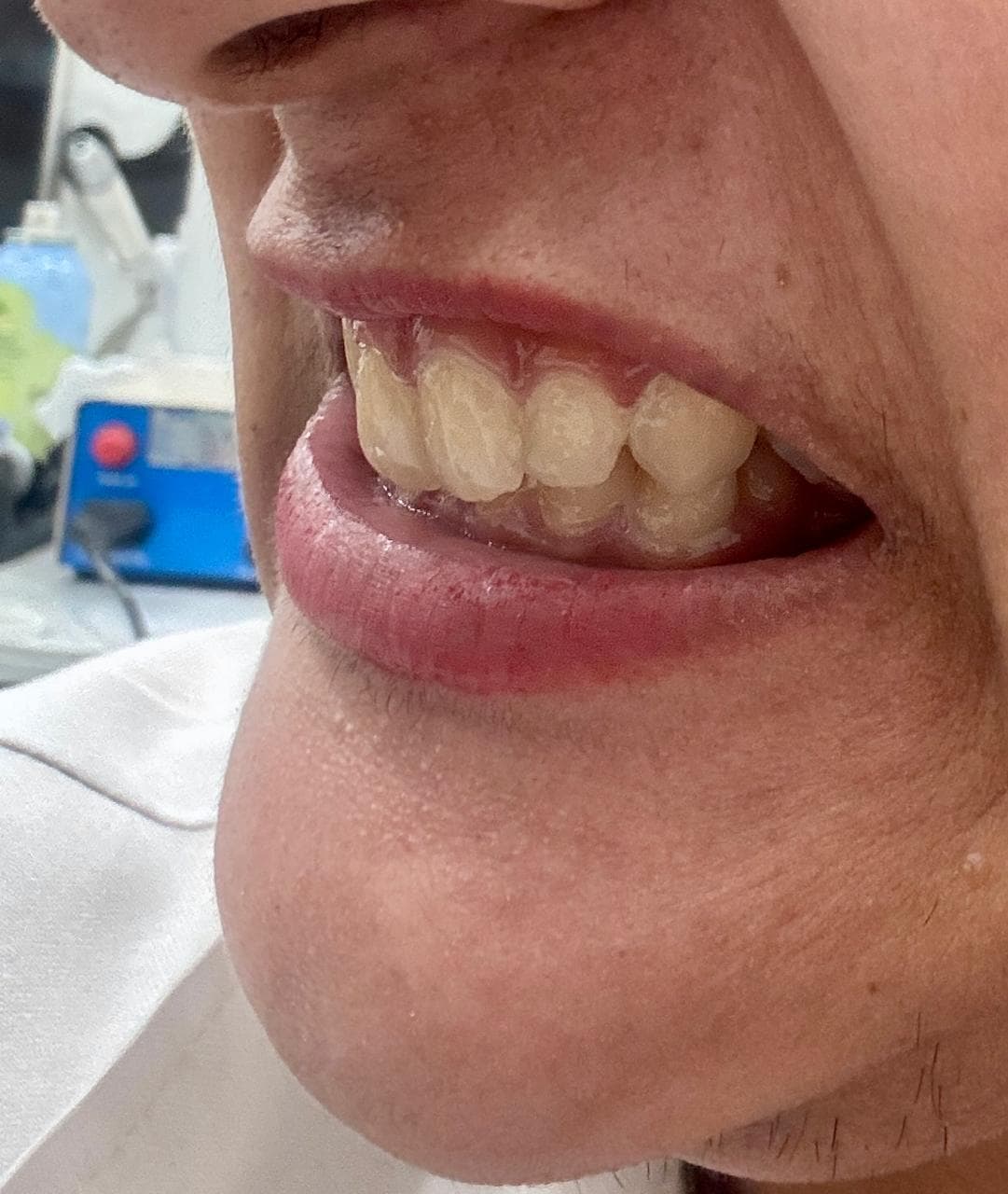
While stress is a psychological trigger, your mouth's physical structure plays a massive role. Anatomical issues like a small jaw size frequently cause dental crowding.When a jaw is too small, there isn't enough room for your third molars (wisdom teeth) to erupt normally. If these wisdom teeth become irregularly placed, crooked, or impacted, they disrupt your natural bite alignment. To compensate for this uneven contact, your jaw muscles involuntarily grind back and forth trying to find a comfortable resting position.
Other Surprising Causes of Teeth Grinding
Beyond stress and jaw anatomy, a few other underlying risk factors can contribute to chronic bruxism:
Sleep Disorders: Bruxism is highly correlated with sleep apnea, a condition where breathing repeatedly stops and starts at night.
Lifestyle Stimulants: Consuming high amounts of caffeine, drinking alcohol, or smoking cigarettes before bed can overstimulate jaw muscles.
Medication Side Effects: Certain prescription medications, particularly some types of antidepressants, list teeth grinding as a known secondary side effect.
The Takeaway:
If your teeth grinding is caused by daily anxiety, lifestyle modifications and stress management can provide immense relief. However, if an improperly aligned jaw or crowded third molars are the root cause, dental or orthodontic intervention is required to stop the damage permanently.

Written by
Dr. Sristi Sruti
Dental Specialist at D&S Toothfairy Clinic. Dedicated to providing advanced aesthetic and clinical excellence in modern dentistry.
Book Appointment
Interested in treatments discussed in this article? Leave your details and we'll call you right back.
Recent Articles

What Is Inside Your Toothpaste? Toothfairy Explains Toothpaste Ingredients
By Dr. Sristi Sruti
Why Do Teeth Lose Their White Colour?
By Dr. Sristi Sruti

What Is a Cavity? Causes, Symptoms, and How Tooth Decay Develops
By Dr. Sristi Sruti
What Does an Orthodontist Do? A Complete Guide to Smiles & Jaw Care
By Dr. Kanchan Sharma
Why Are Cavities Increasing Nowadays? The Shift from Ancient to Modern Diets
By Dr. Sristi Sruti
Related Articles
What Is Inside Your Toothpaste? Toothfairy Explains Toothpaste Ingredients
What Is Inside Your Toothpaste? Toothfairy explains Toothpaste Ingredients Have you ever stood in t...
Why Do Teeth Lose Their White Colour?
Have you ever wondered why your teeth lose their natural white colour and gradually become yellow, b...
What Is a Cavity? Causes, Symptoms, and How Tooth Decay Develops
What Is a Cavity? Causes, Symptoms, and How Tooth Decay Develops Cavity or dental caries is the irr...